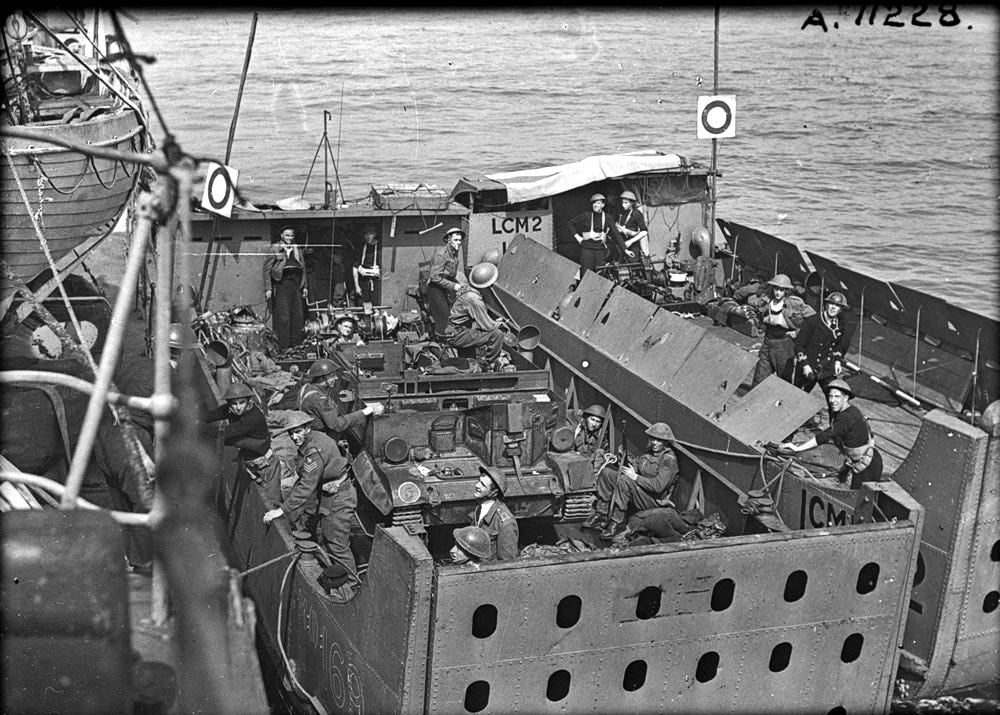

With the anniversary of the Dieppe Raid just three days away on August 19, I wanted to revisit some videos about one of the most tragic yet pivotal moments of World War II. For the Canadian Film and Photo Unit (CFPU), Dieppe represents both a missed opportunity for early combat coverage and a vital connection to the truths uncovered decades later. By looking back through these videos today, we can trace how the raid was understood then—and how it is decoded now.
The CFPU and Dieppe: “Not Important Enough“
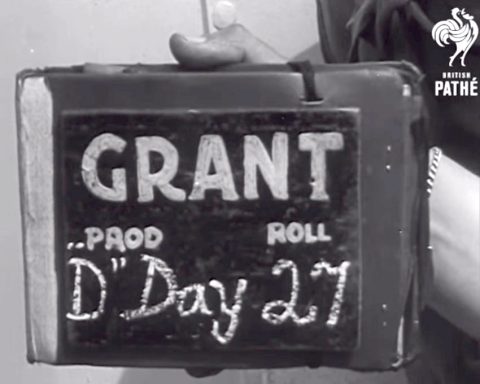
In the summer of 1942, the newly formed CFPU was eager to prove itself in action. However, military bureaucracy got in the way. In the post, CFPU and the Dieppe Raid: “not important enough”, we witness how the unit was unfortunately sidelined from covering the historic operation. Instead, the raid was initially deemed “not important enough” for their official deployment, leaving a gap in early Canadian movie coverage of the assault.
Decoding the Sacrifice: The Richard Tomkies Material
Despite the lack of CFPU cameras on the beaches in 1942, the quest to document the truth never stopped. Decades later, television producer and writer Richard Tomkies gathered remarkable, professional video material in France during the 50th Anniversary in 1992.
His research challenged the traditional narrative of the raid in Glory of the Innocents: Dieppe Decoded by Richard Tomkies. Tomkies argues that Dieppe was not a simple blunder, but a deliberate, painful sacrifice that proved pivotal to the ultimate success of the Normandy landings.
From Tragedy to Liberation: Brian O’Regan
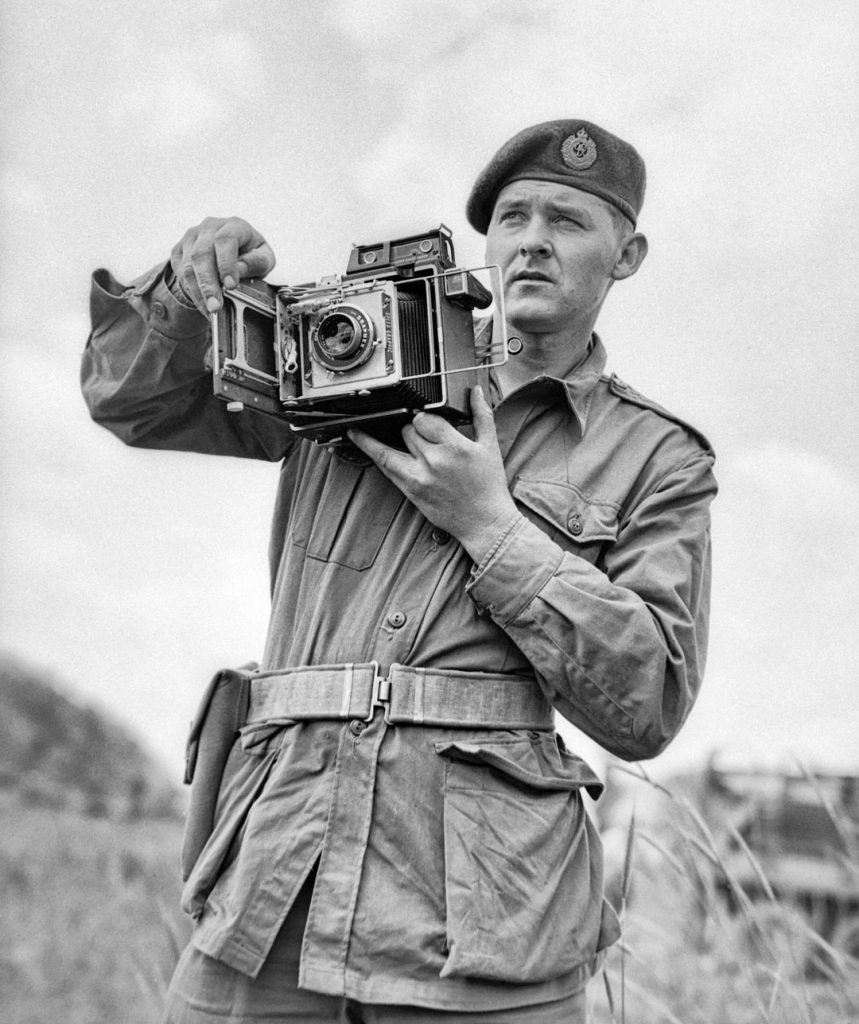
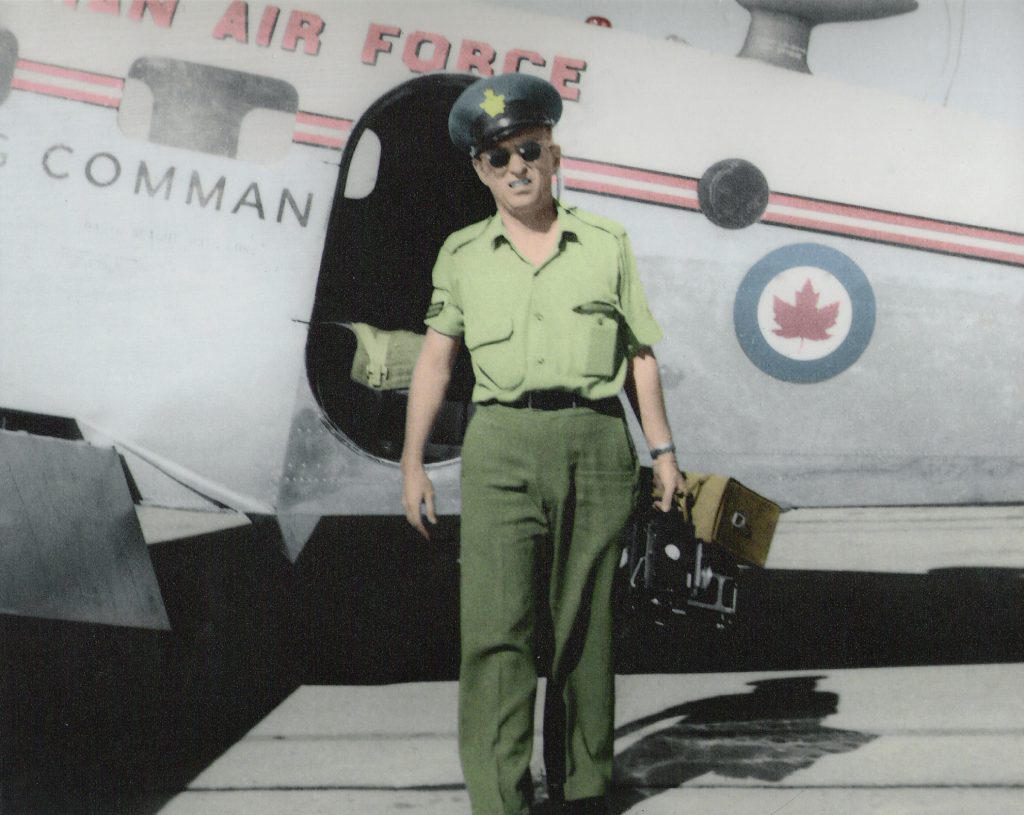
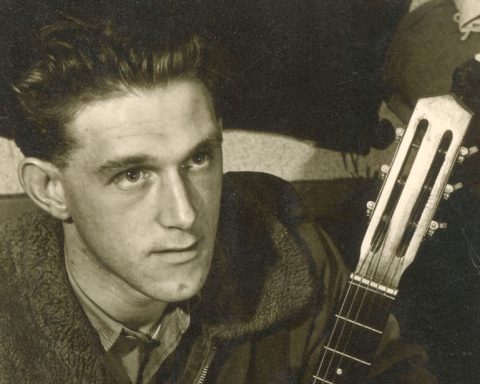
While the August 1942 raid ended in a withdrawal, Canadian forces eventually returned to the French port town under very different circumstances. CFPU dispatch rider and Normandy veteran Brian O’Regan was among those who returned. As documented by his son James O’Regan in Brian O’Regan: “Liberator of Dieppe”, Brian was recognized as the first Canadian soldier across the Dieppe city limits during its actual liberation later in the war—bringing the CFPU story full circle.
Ultimately, Richard Tomkies’ tireless effort to honour the Dieppe veterans reflects the struggle of the Canadian Army Film & Photo Unit as well: both fought fiercely against bureaucratic roadblocks to give the real truth a voice through raw pictures and moving images. While Tomkies battled official resistance to preserve the raw, unedited history in his video, the CFPU was similarly sidelined during the 1942 raid, held back from executing the front-line combat filming they were explicitly trained to do. Yet, despite being denied their initial mission, these combat cameramen persevered throughout the war to eventually drive triumphantly into Dieppe, finally capturing the moment on film of the liberated city.
Be sure to also visit these links for more details about the Dieppe Raid;
- Library & Archives Canada: https://thediscoverblog.com/tag/dieppe-raid
- Veterans Affairs Canada: https://www.veterans.gc.ca/en/remembrance/military-history/second-world-war/dieppe-raid
- Canadian War Museum: https://www.warmuseum.ca/collections/advanced-search?type=archive&q1=search.subjects%3A%3A_contains%3A%3Adieppe%20raid,%201942&view=list&page=1
Historica Canada
© Dale Gervais, AUGUST 2026